Semplastics Awarded SBIR Grant by the Department of Energy for Lithium-Ion Battery Recycling Technology
A Phase II SBIR grant from the DOE provides $1.1 million to advance work in recycling and upcycling low-value graphite from spent lithium-ion batteries into high-performance anode materials.
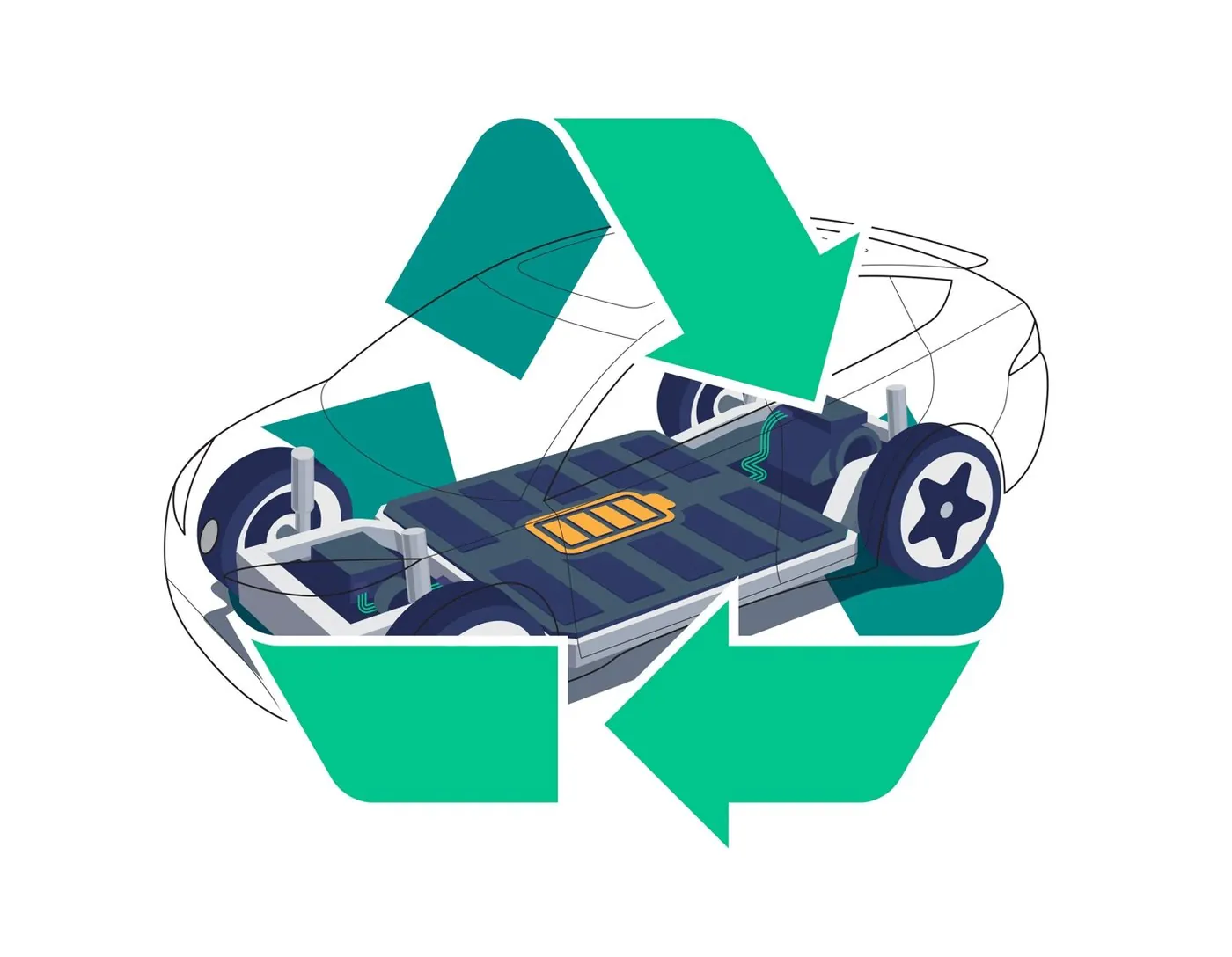
OVIEDO, FL — September 6, 2023— Semplastics, a leading innovator in energy storage solutions, has been awarded a Small Business Innovation Research (SBIR) grant from the U.S. Department of Energy (DOE). This grant will enable the company to advance its pioneering work in recycling and upcycling low-value graphite from spent lithium-ion batteries to create high-performance, high-value anode materials.
The increasing global demand for lithium-ion batteries, used in everything from consumer electronics to electric vehicles, has raised concerns about the sustainability and availability of raw materials and supply chain vulnerabilities. Semplastics and its battery subsidiary, X-BATT, address these challenges by diversifying supply chains for critical materials like graphite, developing material and technology substitutes, and promoting recycling, reuse, and efficiency.
This project aligns with the DOE Vehicle Technologies Office's interest in mitigating global supply risk and enhancing national security by reducing dependence on foreign sources for critical materials.
“We are incredibly honored to receive this Phase II SBIR grant from the DOE. This opportunity validates the groundbreaking work our team has been doing to make lithium-ion battery materials more sustainable and secure. Our technology promises not just to revolutionize battery recycling, but to also contribute meaningfully to national energy security and environmental sustainability.”
In Phase I, Semplastics successfully utilized a proprietary, low-cost, inorganic, resin-based technology that allows the conversion of impure recycled graphite into high-capacity anode materials. The company leveraged its expertise in polymer-derived ceramics to inhibit the negative impact of impurities on the graphite's performance.
Phase II of the project aims to fabricate and test larger cells, up to 2 Ah, using recycled graphite composite anodes. The work will also involve optimizing electrochemical performance metrics and conducting life-cycle and techno-economic analyses with industry partners to establish pathways to commercialization.
The successful implementation of this technology will make recycled graphite economically viable for the first time, reducing costs and energy usage in manufacturing. The technology could eventually support larger battery applications, such as electric vehicles, contributing to a more sustainable and secure energy future.
Founded in 2019, X-BATT® pioneers tomorrow’s energy-storage materials through curiosity-driven, disruptive R&D. Our mission is to advance energy-storage material science through bold research, innovative materials development, and collaborative partnerships, delivering transformative solutions for a sustainable future.
www.x-battinc.com